
What is the risk of bitterness?
Not taking the time or the energy to discover who people really are, or what makes them tick. Allowing hurt or contempt to govern your thinking and beliefs. Simplifying the world by deciding someone is “bad” or “good” based on something they cannot control, or on one single fact about them. Bitterness is paralyzing.
— Dr. Margaret Rutherford
The
Pancreas
The emotions associated with the pancreas are bitterness and sweetness.
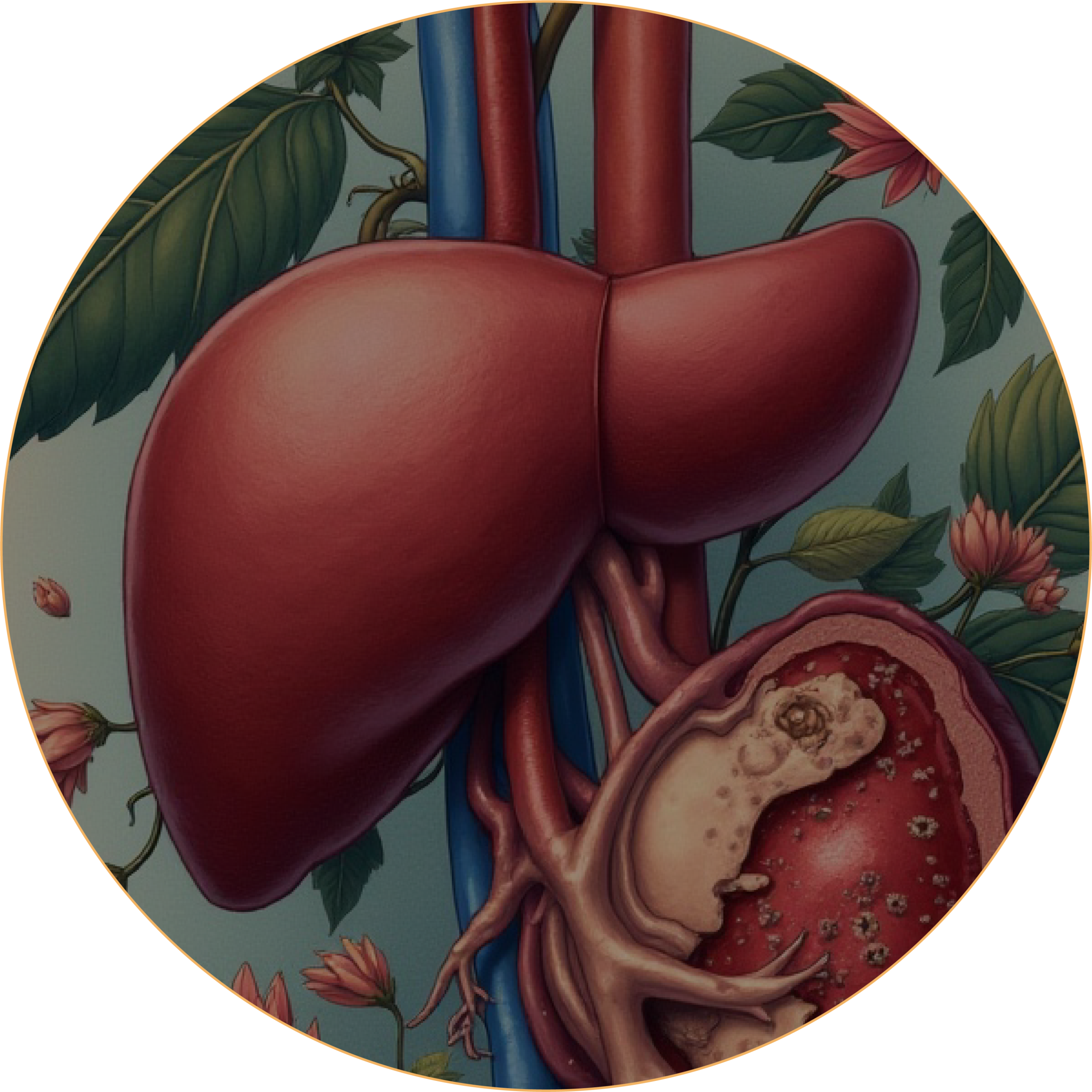
It is said that if we can’t find sweetness for ourselves from an internal place, then we will seek it from an external source. This ultimately leads to bitterness and viewing the world from a victim mentality.
“Why does this always happen to me?”
“Same shit, different day.”
These are comments we hear regularly from people who seem to attract bad things and blame the outside world for them.
Why would anyone want to be bitter?
A valid question. Or, why would we want to eat bitter food?
First, let us look at what it means to be bitter. Bitterness has been described as the simultaneous or overall combined experience of the feelings of disappointment, anger, and fear. Bitterness, as an emotion, is directed outward toward someone or something we perceive to have wronged us. When it is directed inward, it becomes remorse.
Bitterness usually starts as some kind of hurt that another has caused in us. We see this action as underhanded or malicious, with the intent to harm. We could stop here and say that our reaction to the action is actually the problem, but we are human. So yes, we do get hurt by other people, whether intentionally or not.
Bitterness walks hand in hand with grief and anger, and with these strong, heavy emotions, resentment follows very closely.
Bitterness causes illness. Let me repeat that. Bitterness causes illness, as it builds within us, creating emotional stagnation and negative thinking. But again, it is held by us as a result of how we interpret the actions of another person. So in effect, we drink the poison and hope the other person gets sick.
Bitterness has been defined as “a chronic and pervasive state of smouldering resentment and one of the most destructive and toxic of human emotions.”
Destructive and toxic are very strong words.
It seems irrational that any intelligent human would choose to hold on to bitterness, but the truth is, most of us have been guilty of this painful emotion at some point in our lives. Because is it not true and obvious that we are the only real victims of bitterness?
It can be said that in today’s society, we have become very skilled at shifting responsibility and blaming others for our feelings, our health, and our general wellbeing.
We like to pass the buck, as this is what we do today. We no longer take responsibility for much and have, in some way, become obsessed with blaming the world and everything in it for our misery. This needs to stop, and self empowerment needs to be regained.
This starts with the realization that our reaction is more likely the problem than what others are perceived to do to us.
STOP BLAMING THE OUTSIDE!
If we could learn, in fact, to be grateful and show some gratitude to the world for the lessons and opportunities it presents on a daily basis, then toxic and destructive emotions would not hamper or affect our wellbeing.
Bitterness, when we choose to hold onto it, comes at a great cost to us.
Firstly, we decide to live as the victim, and as a victim we get a victim lifestyle.
What does that mean?
∞ We decide to live in mental, spiritual, emotional, and physical pain.
∞ It can lead to mental issues like anxiety and or depression.
∞ It may lead you, the victim, to lash out or seek vengeance, which could or probably would make everything worse.
∞ It stops us from living in a state of joy (see other paper on Joy).
∞ It tends to lead the victim into isolation and a general distrust of people, situations, and circumstances that life can offer. A negative outlook on life is not where we should live. Bitterness is not the answer to a happy life.
∞ It will no doubt, in time, manifest as a physical ailment.
∞ It will lower our vibration and impede our progression in a spiritual manner.
∞ It will deplete us of vitality and energy, and may in extreme cases even lead to insomnia, high blood pressure, headaches, or any physical issue, especially where we hold the bitterness in our bodies.
∞ It removes responsibility from us, which is a very common issue today.
So living with bitterness really is not wise and does not make any sense. Is there any sense in giving someone else that much energy and time, which we should be investing in ourselves?
That underlying sense of helplessness and feeling beaten is, again, not very wise. It is time to stop and regain our strength and inspiration.
Stop complaining and stop being the victim. It serves you no value or good. People will wrong you or hurt you, sometimes unintentionally, but you cannot let that dictate your life or emotions!
What can you do to help yourself?
Firstly, forgiveness is key. If you cannot forgive someone, then you have no choice in the act of becoming bitter. While this is much easier said than done, remember that forgiving and forgetting are two different things. We must learn to forgive if we want to leave bitterness behind.
At first, forgiveness may even seem harder than being bitter, but in the long term, the effects on your mental, emotional, spiritual, and physical wellbeing will be far better and healthier in a place of forgiveness than in a place of bitterness.
Releasing anger is also important, as anger is generally the first step toward bitterness. The longer you remain angry, the deeper you will likely sink into bitterness, and the more harmful the emotion will be to your overall health. Anger must be released constructively—through exercise, meditation, or sometimes counselling. Anger cannot be allowed to grow. It is for you that we seek a healthy resolution to other people’s issues.
Become solution driven in how you peacefully confront the situation and look for answers. Do not approach an angry problem with anger.
Time can be a healer, but it can also make things worse if you spend your time focused on the bad.
Don’t become righteous or superior; this won’t help either. Try to remain calm and humble, and to understand the root of the issue. Be mindful! Maybe the person didn’t even mean it, or like all of us at some stage, they were just having a really bad day. While this does not excuse anything, it may help us understand things a little better and so help us step outside our need to hold onto bitterness.
Remember, always, that you have the power to remove your emotion or to keep it.
So forgiveness is about letting go and releasing yourself from suffering. Remember that!
Bitterness in terms of food or taste:
Okay, now let us discuss bitterness in terms of food or taste.
Bitter is one of the five basic tastes we have, and it is often disagreeable. It is acrid and astringent!
It is pungent and sharp. If you can imagine taking a bitter taste and turning it into an emotion, you would think of anger and resentfulness—the complete opposite of sweetness. If you think of it as a physical sensation, you’d probably think of something unpleasant like cramping or bloating. And if you tried to think of a spiritual sensation related to the taste of bitterness, you’d probably think of something dark or bordering on evil!
The organs associated with bitterness are the pancreas, but secondarily, the liver, the spleen, and to some extent, the heart. If we hold the emotions of bitterness, anger, and resentment, it makes sense that our heart or love will suffer.
To look at foods for bitterness is to look at foods for many organs:
The pancreas, the liver, the spleen, and the heart. The liver, the heart, and the spleen, to an extent, will be discussed on other days, but again, let’s notice how interconnected the body is—on an emotional, mental, and physical level!
Food for Sweetness
According to the urban dictionary sweetness is: Sweetness is a playful affectionate name for someone close to you. Sweetness plays off the terms sweet (cool/awesome) and sweetie (loving/caring person).
Sweetness is of course the quality of been sweet. Be it physical, emotional or a mental state. It is as described the taste sensation, which now inhabits nearly all commercially produced food. But used as words it denotes a happiness or joy around someone or something, conversely it can be use sarcastically, so be careful with the tone.
There is a specific way to say sweetness. You must always nod your head (as if saying hello), along with an elongated blink of the eyes, while pouting out your lips slightly. Always proceed with a tight hug afterwards. Sweetness is a powerful verbal aphrodisiac and should be used sparingly!
It can be used in a number of ways.

It can be used in a sexy manner towards someone you find sexually alluring.

It can be used in a playful manner towards a close friend.

It can be used in a playful manner towards a close friend.
The longing for sweets is really a yearning for love or “sweetness.”
So first, let us look at the physical or food side of sweetness.
The sweet taste sensation can be found in foods like sugar, honey, syrup, stevia, maple syrup, and so on. When used in high or concentrated amounts, it really plays havoc on our bodies.
One very dangerous aspect from our physical body’s point of view is the increasing use of chemical sweeteners or artificial sweeteners. The alleged dangers of these are something we need to look at.
These include, to name a few:
∞ Aspartame
∞ Sucralose
∞ Acesulfame K
∞ Saccharin
∞ Xylitol
Artificial sweeteners have increasingly come under the spotlight for issues arising from long term weight gain and an increased risk of obesity, diabetes, high blood pressure, and heart disease, according to studies published in the Canadian Medical Association Journal.
Consumption of these artificial, non nutritive sweeteners has been shown to have negative effects on our metabolism, gut bacteria, and appetite, although some evidence is conflicting.
I guess it comes down, in some way, to the point that you will always get a desired result from a set of tests, depending on who is paying for it.
On the front cover, the use of artificial sweeteners would seem like an obvious choice, considering they provide a sweet taste and no calories. This would immediately lead us to jump to the conclusion that artificial sweeteners should really help in the fight against obesity and weight management. Considering the average 12 oz can of soda contains 150 calories, nearly all of them from sugar, and then compared to a zero sugar 12 oz can containing zero calories, it would seem obvious. But that is not the full story.
An issue that seems to be appearing more and more is that the part of the population who use artificial sweeteners may in fact be replacing the lost calories through other sources. While its initial use was for a joke, there is some truth in the statement: “Can I get four double cheeseburgers and extra extra large fries and a diet soda?”
Artificial sweeteners are much stronger in taste and far more potent, and some studies have shown that consistent use of these products has in fact changed the way we taste food. They suggest that overuse or overstimulation of sugar receptors may limit tolerance for more complex tastes, like fruit or unsweetened foods completely. That is, you may no longer wish to consume or may find healthy nutritious food uneatable or unpalatable.
But here is the real kicker in terms of weight management: artificial sweeteners may trick our bodies and minds into thinking that sweet food is no longer associated with caloric intake. This can result in cravings for sweet food over nutritious food, without the association of any calories, thus leading to weight gain.
There are other studies coming to the forefront (though mainly done on poor unsuspecting animals) that suggest artificial sweeteners may in fact be addictive, though full human trial results are presently unavailable.
Gratitude is the sweetest thing in a seeker’s life, in all human life. If there is gratitude in your heart, then there will be tremendous sweetness in your eyes.
In other studies, daily consumption of diet drinks was associated with a 36 percent greater risk of metabolic syndrome and, incredibly, a 67 percent increase in the risk of type 2 diabetes. How is this even possible?
Artificial sweeteners and gut microbes have, in many studies, been linked to obesity. Artificial sweeteners may in fact raise the risk of diabetes by disrupting the microflora of your gut. Even in healthy people, it has been noted in certain circles that artificial sweeteners alter or change certain pathways associated with metabolic disease, inducing gut dysbiosis and glucose intolerance. Glucose intolerance is a condition where your body loses its ability to cope with large amounts of sugar and is known to be a precursor to type 2 diabetes. Excess sugar in your blood ends up being stored in fat cells, which can lead to obesity. Researchers have found, again in trials on mice, that artificial sweeteners have led to glucose intolerance.
Research has repeatedly shown that the use of artificial sweeteners actually increases or stimulates appetite, increases cravings for carbohydrates, stimulates fat storage and leads to weight gain, promotes insulin resistance, and increases the risk of diabetes. Artificial sweeteners can trick your body into thinking it is going to receive sugar, but when it does not arrive, the body sends out signals that it wants more, leading to carbohydrate cravings. The connection between sweet taste and hunger is long established.
So maybe sugar is not so bad after all. It is, after all, a real food, which your body at least recognises.
Of course, foods with high sugar content should be avoided, but fruits, which are nutritious and high in fibre and fall into the low glycaemic index, are obviously very good for us.
Find the sweetness in your own heart, then you may find the sweetness in every heart.
When we eat something sweet, our taste buds detect it on the tongue, triggering the release of digestive enzymes to break down the sweet foods. Most notably, insulin is released from the pancreas.
Insulin is a hormone produced by one of the body’s key organs — the pancreas. It helps convert blood sugar (glucose) into energy and also aids in storing glucose in the muscles, fat cells, and liver for later use, when the body needs it.
After you eat, your blood sugar rises. This increase in glucose signals the pancreas to release insulin into the bloodstream. Insulin then travels through the blood to the body’s cells, telling them to open up and let the glucose in. Once inside the cells, glucose is either converted into energy or stored for future use.
Without insulin, your body cannot properly use or store glucose for energy. Instead, glucose remains in the bloodstream, which can lead to elevated blood sugar levels and, over time, serious health issues.
However, if there is a persistent sweet taste in the mouth, it could be a sign of a more serious condition, and it might be wise to undergo tests conducted by a qualified medical professional. A consistent sweet taste may indicate the body’s inability to regulate blood sugar, which could be a sign of diabetes.
Diabetes is a common cause of a sweet taste in the mouth. It affects how well the body uses insulin, which directly impacts the body’s ability to control blood sugar. Other symptoms to watch for include:
∞ A reduced ability to taste sweetness in food
∞ Extreme or excessive thirst
∞ Excessive urination
∞ Tiredness and fatigue
Low Carbohydrate Diets
While many supporters of low-carb diets claim they “cure” diabetes, such a diet can also cause symptoms similar to diabetes, such as a sweet taste in the mouth. This occurs during a process called ketosis, where the body burns fat instead of carbohydrates for fuel. This results in ketones building up in the bloodstream, which can produce a sweet taste. Since these diets can be considered extreme, it’s advisable to consult with a trained professional before proceeding.
Infections
Certain infections may trigger an increase in glucose in the saliva, leading to a sweet taste in the mouth.
Nerve Damage
Serious nerve damage can also cause a persistent sweet taste in the mouth, and immediate medical supervision is recommended.
Medications
Certain medications, especially chemotherapy, can affect the taste buds and may leave a constant sweet taste in the mouth.
Emotional Sweetness

Society, traditionally in general, be it from school, social networks, or any other external influence, does a very good job of telling people that emotions are a sign of weakness. Thankfully, I think this is changing. In this new age, more and more people are resonating with the idea that emotions are a force. They go an extraordinarily long way in keeping us healthy. We are finally realizing that health comes from a balance of a healthy mind, a healthy set of emotions, and a healthy spirit, which all leads to a happy, ‘healthy’ individual!
To have healthy emotions, we first need to understand what they are. Above, we spoke of the physical or dietary side of sweetness, which we will return to in a bit to discuss food. But first, let’s talk about the emotion ‘sweetness.’
The energy of sweetness resonates in us all. It is generally considered a good or enjoyable feeling, one that can last for a considerable time. Sweetness is associated with love and enjoyment. So, not only can the pancreas be affected, but so can the heart.
Any parent will tell you about the current of joy and sweetness they feel when their baby smiles at them or does something cute. Many lovers express the same feeling and experience the same rush of ‘sweetness’ and happiness they bring to each other by doing sometimes the smallest things.
Love isn’t what you do or who you are; love is the way you are, and love is! The emotion of sweetness now lives inside you. Life then becomes full, it becomes beautiful, and your life is sweet.
Sweetness has an affinity with the pancreas. Pancreas literally means “made of flesh,” as “pan” means whole or universe and “crea” means flesh. Your soul’s value lives here. Your soul lasts forever! Your relationship with your creator rests here.
With conditions like diabetes, it is thought that a person is not able to keep reserves of sugar (sweetness), as the ability to assimilate and store sugar in cells is lost. Sugar escapes through the urine. In certain countries, diabetes was known as “sugar diarrhoea,” which actually means “diarrhoea of love.” This can be taken to mean that the person is, in fact, depriving themselves of love. The sugar related to the pancreas is very alkaline, so diabetes causes the body to become ‘hyper-acidic.’ Thus, a person can become very sour, aggressive, and acidic, leading to more self-hate and the seeking of sweetness (love) from outside, more sugar, causing more sourness and bitterness, seeking more external sweet sources. Get the picture? Pancreatic imbalance leads to emotions of bitterness and a complete lack of self-love. The person really has lost the ability to enjoy themselves; they seem to long for love but are too scared to look for it. They have lost the idea and understanding of love!
Food that subtract sweetness from you: or bad for the Pancreas
If we accept that the emotion of sweetness lives within our pancreas and, to some extent, our heart, then we must look at food that is both good and bad for these organs.
∞ Processed foods:
These nasties of nasties have zero nutrients and really wreak havoc on the digestive system. Remember that the pancreas has a digestive function in the secretion of pancreatic fluid, which is sent to the duodenum to digest fat. It also has an endocrine function through the internal production of insulin, which is involved in the absorption of sugar by the cells in the body and in the regulation of sugar levels in the blood. So, if you choose to eat foods high in additives, preservatives, colorants, and salt, expect the worst! These include processed meats, such as bacon.
∞ Fried foods:
Enough said. Greasy, artery-clogging, age-robbing rubbish should be consumed at a zero-tolerance rate.
∞ Mayonnaise:
It is mostly fat, and a very poor-quality fat at that, making it calorie-dense. Therefore, calories and fat can quickly add up when you’re not paying attention to portion sizes.
∞ Sugar:
Obviously, see above.
∞ Dairy:
The pancreas helps with fat digestion, so foods with more fat make the pancreas work harder.
∞ Pastries and desserts with added sugars.
∞ Beverages with added sugars.
∞ Trans-fatty acids:
These should be avoided for general good health.
Foods that are good for the pancreas:
∞ Red meat:
Very few foods we eat have a nutritional profile like beef; obviously, quality plays a big role in this. However, red meat can be very hard on the digestive tract and can take a huge amount of energy to break down. While good quality red meat can be beneficial in moderation, eating it during times of pancreatic or self-love issues is recommended to be reduced. If following a strong spiritual path, this becomes a complete no.
∞ Garlic:
Garlic has for years been known to be one of the most medicinal plants on the planet. It is said to have anti-viral, anti-bacterial, and anti-fungal properties, and it will naturally reduce the amount of sugar in your blood while simultaneously stimulating the pancreas to produce hormones as well. For best results, it is recommended to be eaten raw on an empty stomach.
∞ Spinach:
Although lots of recent studies suggest that it may not be as good for us as we first thought, spinach is still one of the best sources of iron and vitamin B, both essential for a properly functioning pancreas!
∞ Broccoli:
Broccoli contains sulfur-containing compounds that help detoxify the pancreas. It is recommended to be eaten raw or lightly steamed, as overcooking removes most of the nutrients. Some studies have even suggested that broccoli can help prevent and manage type 2 diabetes.
∞ Grapes:
Red grapes, in particular, contain antioxidants (resveratrol) that protect the tissues of the pancreas from damage. Resveratrol helps in the prevention of inflammation and can reduce blood vessel damage. Make sure your grapes have seeds!
∞ Blueberries:
Blueberries are greatly touted for their role in the destruction of cancer cells. They are rich in antioxidants, which help prevent oxidative stress and also limit free radical damage. Consumption of blueberries will also fight inflammation and vascular damage caused by diabetes.
So, in general, the best foods for pancreas health are good quality proteins, which have moderate fat, and simple sugars.
Eat plenty of:
∞ Vegetables
∞ Whole fruits (do not drink your fruit!)
∞ Beans
∞ Lentils